
 Dogs
Dogs Cats
Cats Birds
Birds Horses
 On the Land
 In the Sea
If you’ve ever turned around at the stove and nearly tripped over your dog, you are definitely not alone. In my house, the kitchen is basically command central, and the minute I pull out a cutting board or open the fridge, I’ve got a furry shadow planted about 18 inches from my ankles. It’s easy to assume they’re just hoping for a dropped piece of chicken, but there’s usually a lot more going on.
Over the years, I’ve learned that dogs follow us while we cook for all kinds of reasons, from habit and comfort to curiosity and age-related changes. If you’re a devoted dog owner—especially if your pup is getting older—understanding the “why” can help you make the kitchen safer, calmer, and a little less crowded around dinnertime.
1. They’ve learned the kitchen is where the good stuff happens
Dogs are incredible pattern watchers. If dinner prep happens every day between 5:30 and 6:30 p.m., and a carrot slice or pea has “accidentally” hit the floor a few times, your dog connects those dots fast. Even one tiny reward every few days is enough to keep them checking in, because intermittent rewards are powerful.
I noticed this with my own dog when I started meal prepping on Sundays. The second the refrigerator door opened twice in a row, he’d trot in and station himself by the sink like he had a reservation. To a dog, the kitchen isn’t just a room—it’s the room where smells, sounds, and snacks reliably show up.
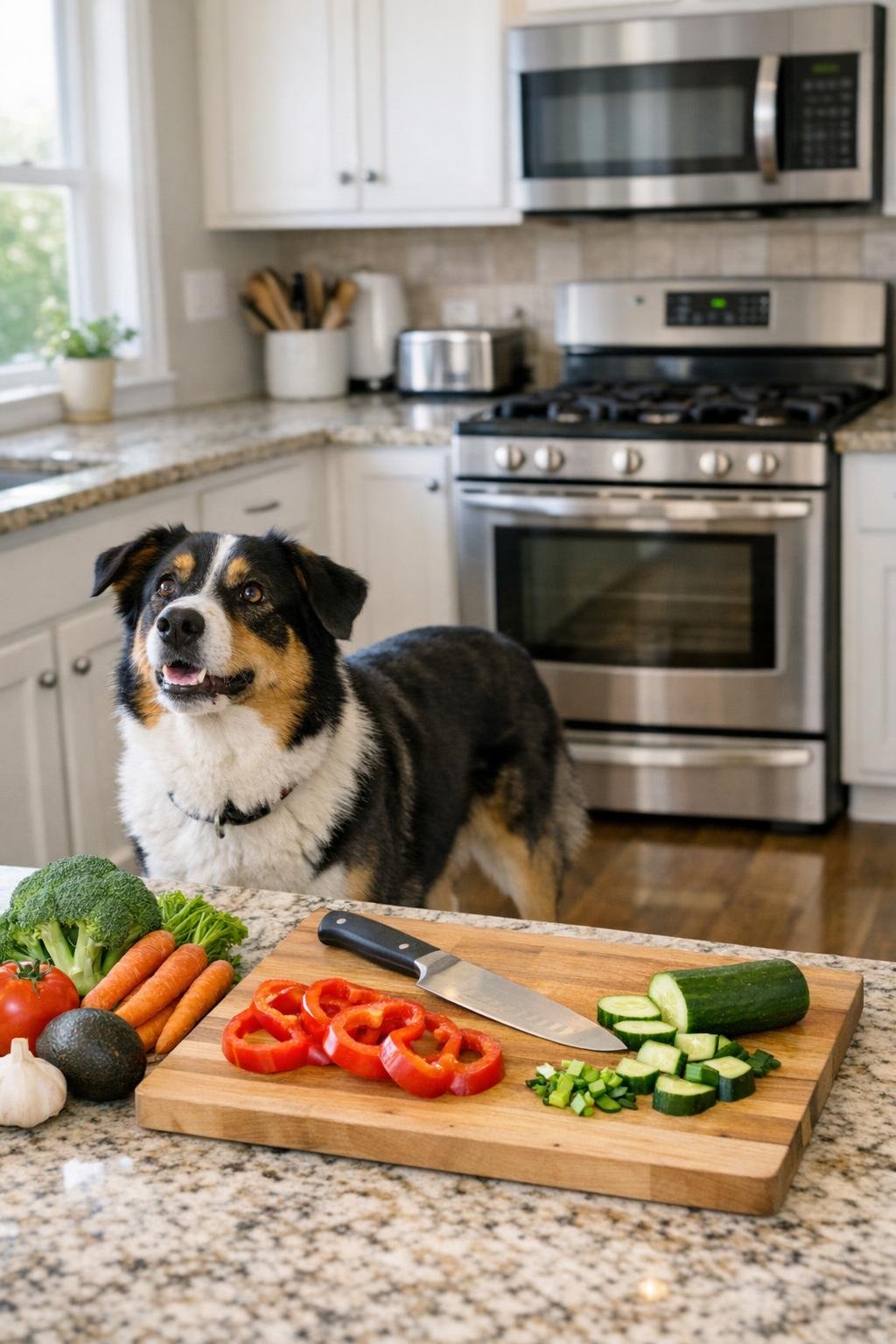
2. Your dog is following the smell, not just the food
A dog’s sense of smell is dramatically stronger than ours, so cooking creates a whole event for them. Browning ground beef, roasting sweet potatoes, or opening a can of broth can fill the air with layers of scent your dog notices from the next room in seconds. Even if you never share table scraps, the aroma alone can pull them in.
Strong-smelling ingredients are especially tempting: bacon, cheese, fish, liver treats, and warm butter tend to attract immediate attention. If your dog appears the moment you chop onions or open a package of chicken, they’re often responding to the scent cloud spreading through the house, not making a calculated begging plan.
3. They want to stay close to their favorite person
For many dogs, following you into the kitchen has less to do with food and more to do with attachment. If you’ve just come home from work, they may simply want to be wherever you are, even if that means lying on a 2-by-3-foot patch of tile by the dishwasher. Cooking time can feel like together time to a dog.
This is especially common in dogs that bond strongly with one person. I’ve seen plenty of pups ignore everyone else in the house and trail one specific owner from the pantry to the stove to the sink. If your dog relaxes once they’re nearby, they may be seeking connection more than calories.
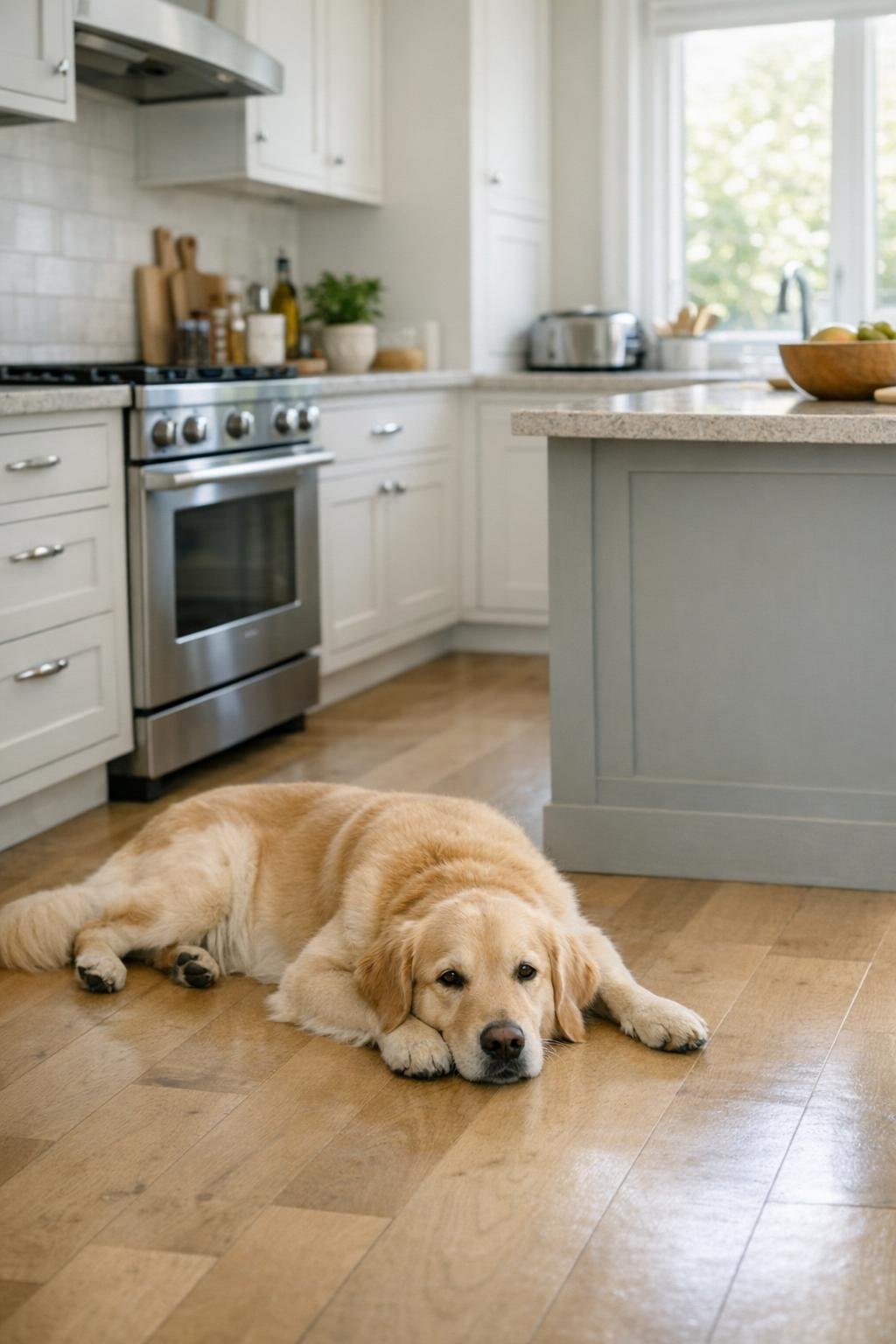
4. The routine makes them feel secure
Dogs thrive on predictability, and kitchen activity is often part of the household clock. The sound of a drawer opening, the clink of a pan, or the hum of the oven may signal that the evening is unfolding exactly as expected. For a dog, especially an older one, that familiar sequence can feel reassuring.
Senior dogs often lean harder on daily rituals. If your dog shows up every night when you fill a pot with water or set out a baking sheet, they may be grounding themselves in a routine they know by heart. The behavior can be less about wanting something and more about saying, “Ah, yes, this is our normal evening.”
5. They’re hoping for a handout because it’s worked before
Let’s be honest: many of us have slipped a little something from the cutting board at least once. A one-inch cube of cooked chicken, a green bean end, or a spoon-lick from plain yogurt can teach a dog that standing nearby might pay off. Dogs remember what works, and they repeat it.
If your dog stares intensely when you slice turkey or hovers directly under your elbow, there’s a good chance they’ve built a strategy around your generosity. This doesn’t make them manipulative—it just makes them observant. From their point of view, the kitchen is one of the best investment opportunities in the house.
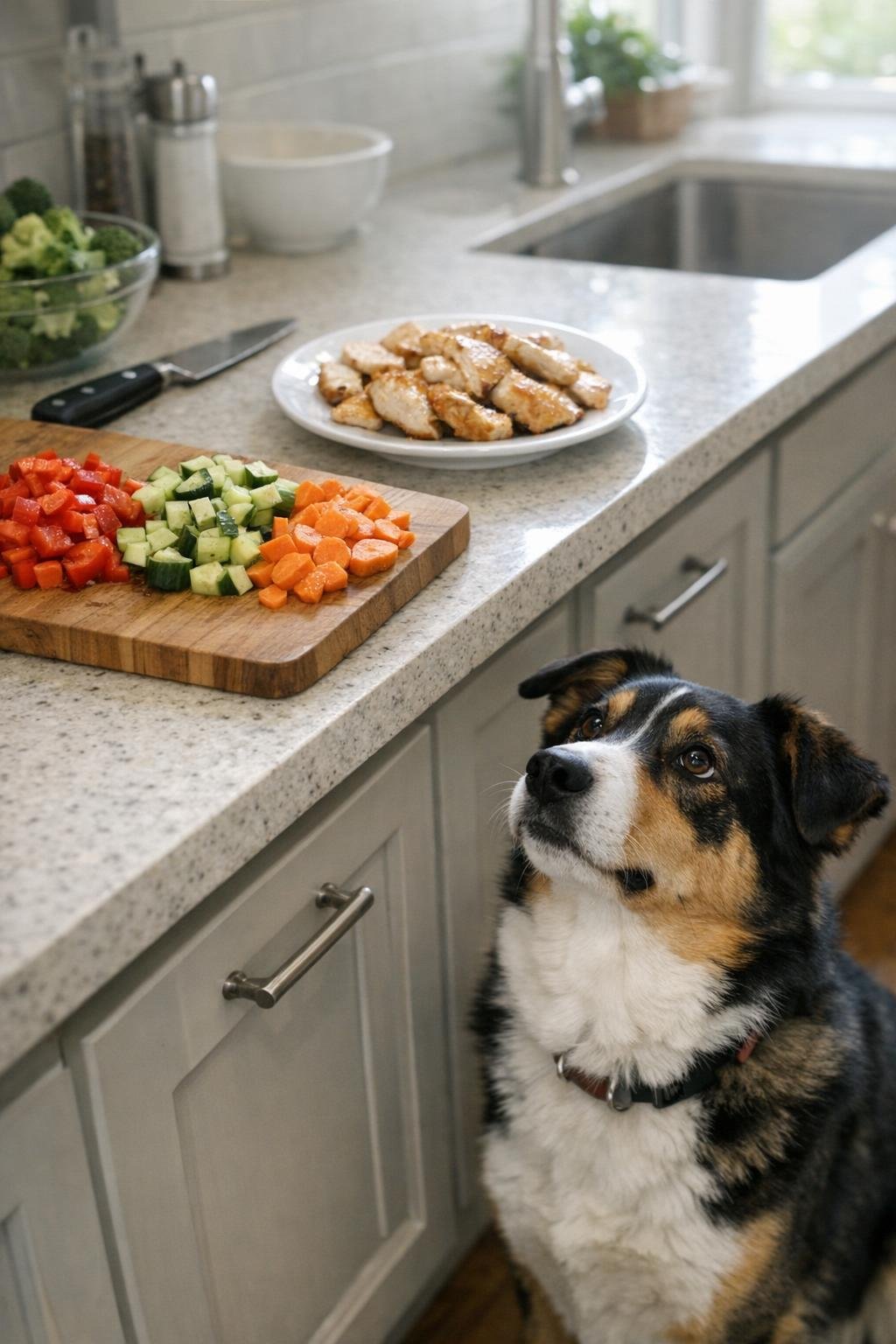
6. They’re curious about every sound and movement
The kitchen is full of interesting action: cabinet doors swing, ice drops, timers beep, water runs, and pans move from burner to burner. Some dogs are natural supervisors and don’t want to miss any of it. If your pup perks up at the crinkle of a bag from 20 feet away, curiosity may be driving the whole patrol.
This is especially true for alert breeds or dogs with a “helper” personality. My own dog acts like he’s quality control whenever I unload groceries, inspecting each bag as if he’s on payroll. Following you around the kitchen can simply be their way of staying on top of a busy, fascinating environment.
7. They may be checking whether it’s close to their mealtime
Dogs often connect human cooking with their own feeding schedule. If you usually fill their bowl right before or right after you make dinner, they may follow you into the kitchen to make sure they don’t miss the next step. A dog with a consistent 7:00 p.m. meal can become very attentive at 6:45.
Older dogs can become even more clocklike about meals, medications, or special toppers. If your dog starts pacing, glancing toward the food bin, or leading you toward their bowl while you cook, they may be asking, quite reasonably, whether tonight’s service is running on time.
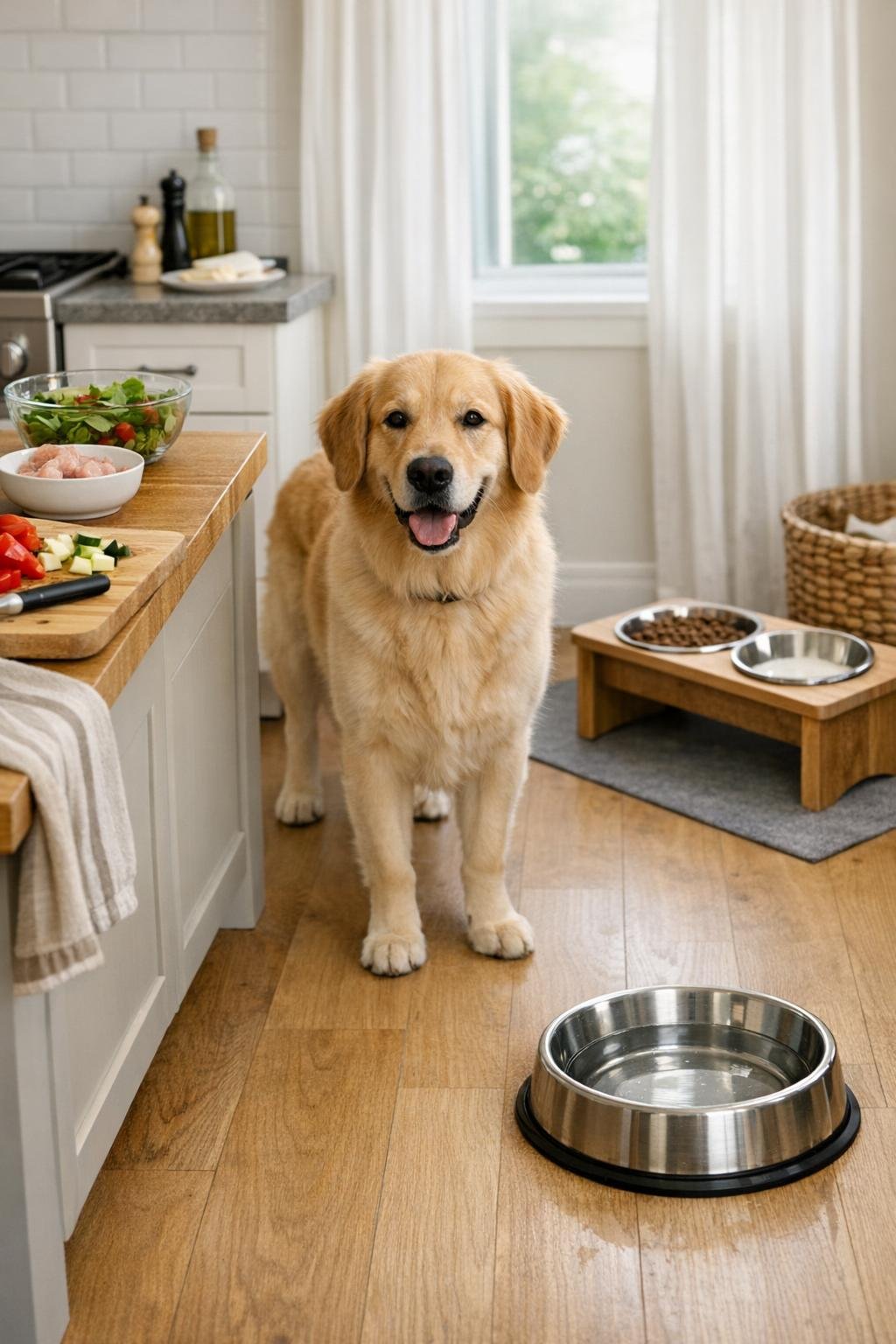
8. They like the warmer, busier part of the house
Kitchens are often comfortable places to be. There’s warmth from the oven, sunlight by the back door, and plenty of household activity packed into one room. A dog may choose the kitchen simply because it’s cozy and socially interesting, especially on cold Midwest evenings when the rest of the floor plan feels quiet.
I’ve had dogs camp out near the vent by the refrigerator or stretch beside a sunny patio door while I cooked. If your dog settles down once they arrive instead of actively begging, they may just enjoy the atmosphere. For some pups, it’s less “Where’s my treat?” and more “This is where everybody is.”
9. Age can make them more clingy or watchful
As dogs get older, many become more attached to their people. Hearing changes, vision changes, and mild confusion can all make a senior dog prefer to keep you within sight. If your older dog didn’t always follow you while cooking but suddenly does now, they may be seeking reassurance more than food.
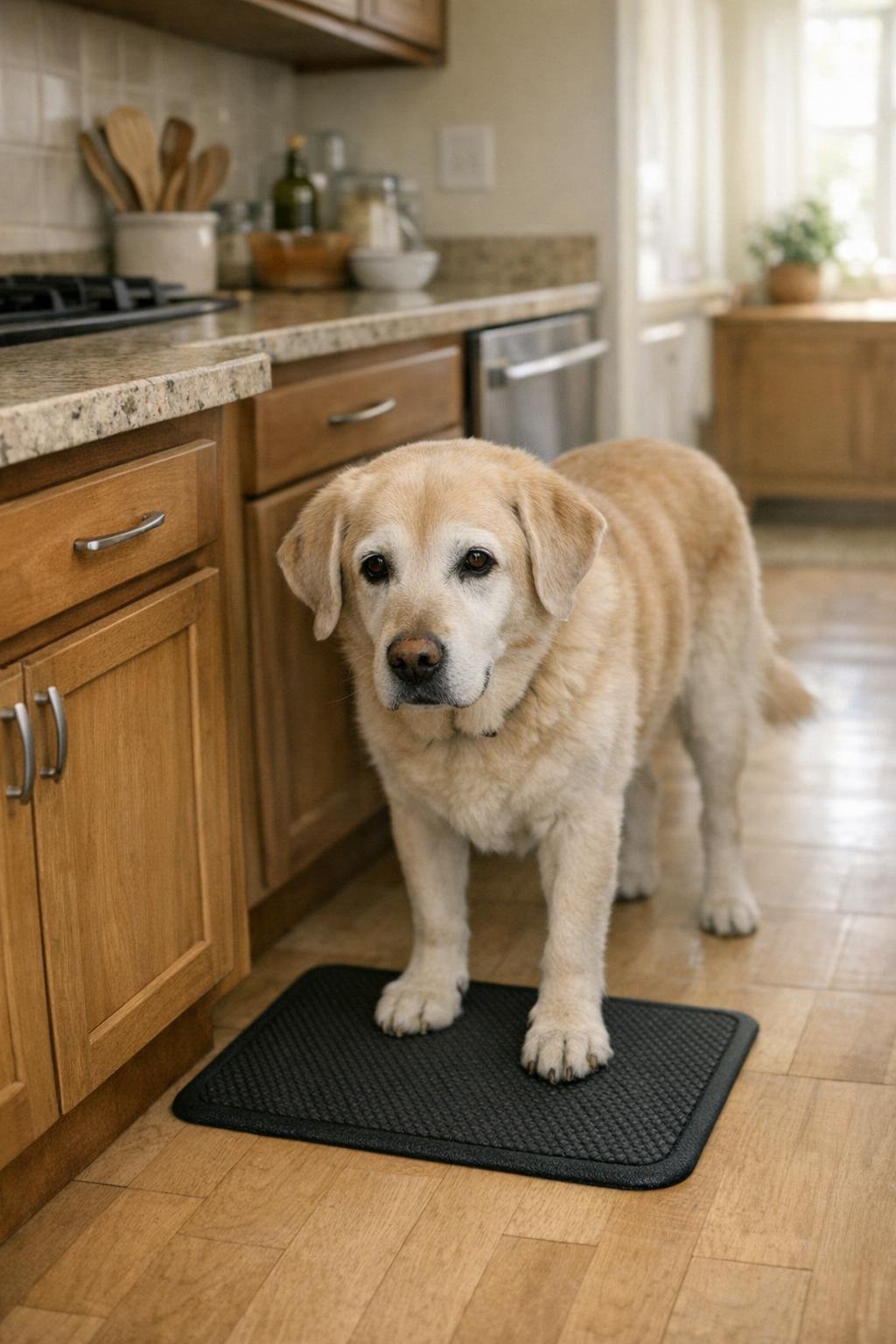
I think this is one of the most overlooked reasons. A senior dog who stands just a foot or two behind you may feel calmer knowing where you are, especially during the evening when shadows lengthen and the house gets quieter. If this sounds familiar, a nonslip mat or a safe bed just outside the cooking zone can help them stay close without being underfoot.
10. They’re bored and the kitchen is the day’s main entertainment
If your dog has been napping for most of the afternoon, dinner prep may be the most exciting 30 minutes of the day. New smells, movement, possible food, and your full attention all make the kitchen a lot more interesting than the living room rug. Following you can be their version of joining the action.
This is especially common if the weather has been bad or your dog missed a walk. A 10-minute sniffy stroll, a stuffed food toy, or a short training session before you cook can make a big difference. Sometimes the dog under your feet isn’t hungry at all—they just need something better to do.
11. They may have accidentally trained you, too
Dogs are great at noticing which behaviors get a response. If following you into the kitchen leads to petting, conversation, a treat, or even you carefully stepping around them every 30 seconds, they’ve learned that this is a reliable way to engage with you. We usually think we’re training the dog, but sometimes they’ve quietly trained us.
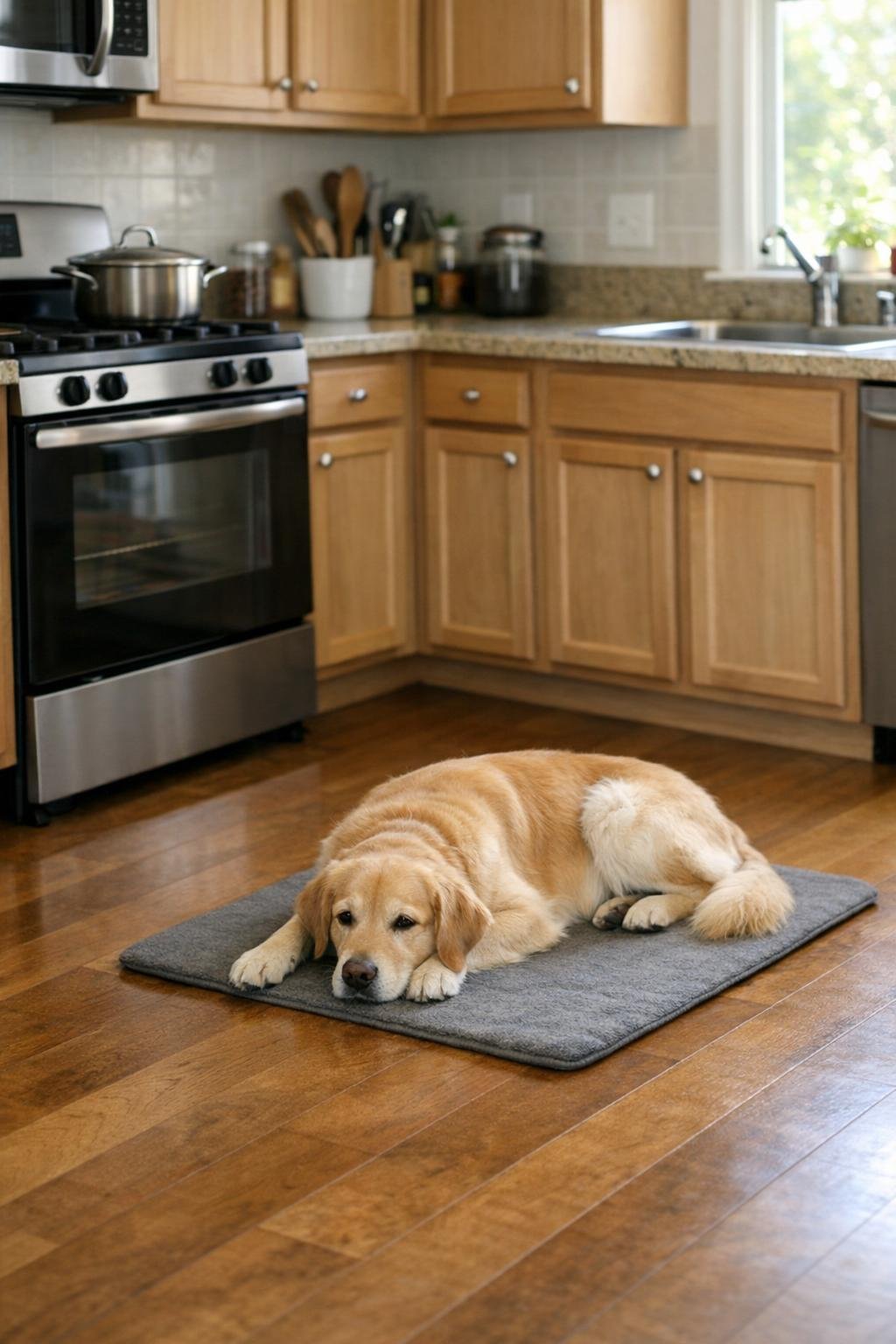
If you laugh, talk to them, or offer a sample every time they appear, the behavior becomes part of your shared routine. There’s nothing wrong with that if it’s safe and manageable. But if the kitchen crowding is getting to be too much, a designated bed 3 to 5 feet from the stove plus a small reward for staying there can give both of you a better system.
At the end of the day, most kitchen-following comes down to love, habit, curiosity, or comfort—and often a mix of all four. Once you know what’s motivating your dog, it’s much easier to keep them happy, safe, and still close by while you get dinner on the table.