
 Dogs
Dogs Cats
Cats Birds
Birds Horses
 On the Land
 In the Sea
I’ve had dogs long enough to know they don’t read warning labels, and that’s exactly the problem when lawn chemicals enter the picture. A freshly treated yard may look tidy to us, but to a dog it’s still a place to sniff, roll, lick paws, and hunt for interesting smells. Older dog owners, especially, tend to be wonderfully consistent with routines, and that’s a real advantage when it comes to keeping a dog safe around fertilizers, weed killers, and pest treatments.
Over the years, I’ve learned that protecting a dog from lawn chemicals is less about one dramatic fix and more about a handful of practical habits. These are the steps I’d recommend to anyone who wants a healthy yard without putting a beloved companion at risk, whether you’ve got a tiny lap dog, a big retriever, or a senior dog who still insists on doing a full perimeter sniff every morning.
1. Read the product label before anything touches the grass
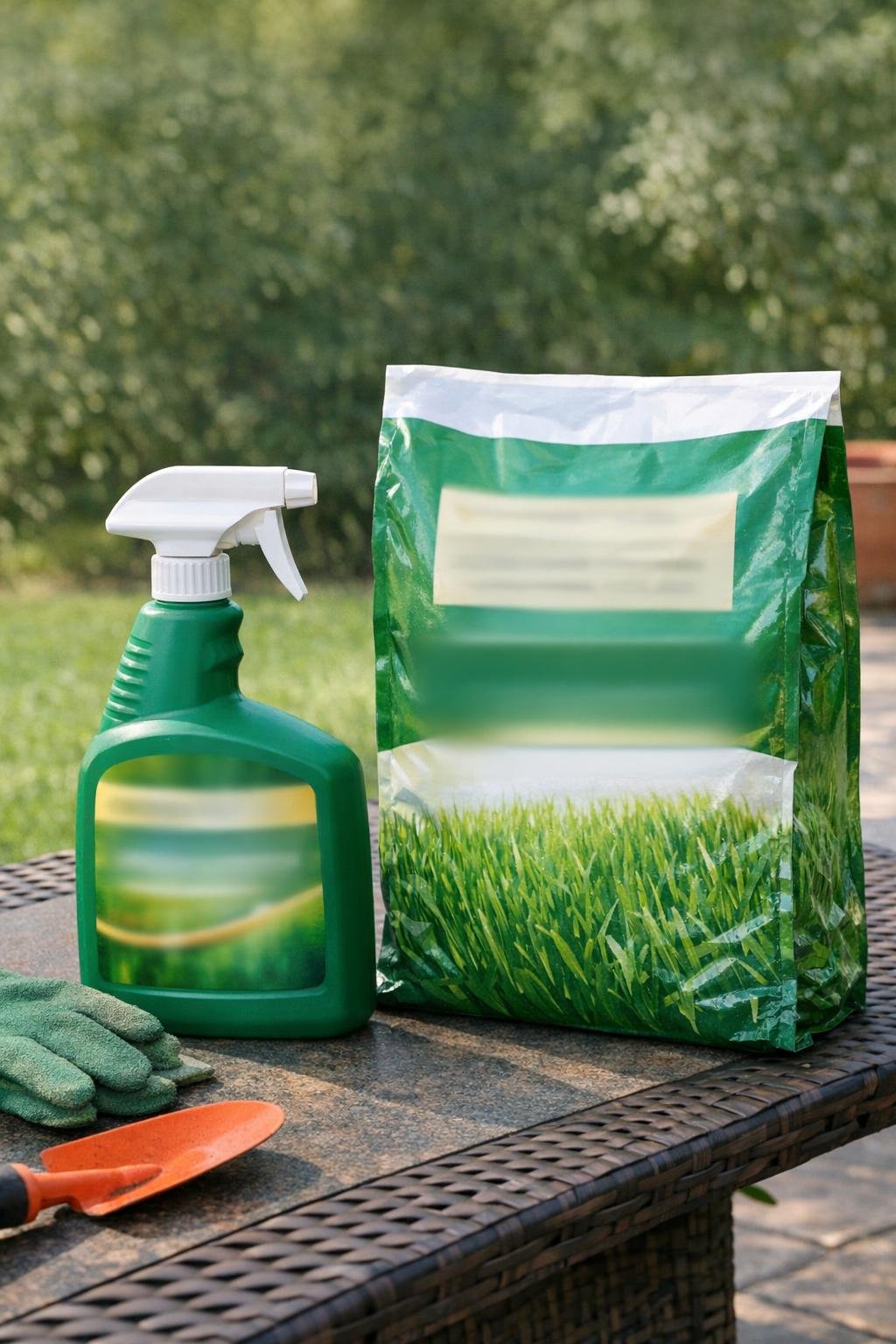
I never apply a lawn product until I’ve read the entire label, including the small print about pets. Look specifically for phrases such as “keep pets off until dry,” “do not allow reentry for 24 hours,” or “water in with 1/4 inch of irrigation.” Those details matter more than the marketing on the front of the bag or bottle.
If a product doesn’t clearly state pet safety instructions, I treat that as a warning sign and skip it. Keep the label or take a phone photo of it so you can check ingredients later if your dog starts drooling, vomiting, or licking paws excessively after being outside.
2. Keep your dog off treated grass for the full waiting period
This is the rule I see people shorten the most, and it’s not worth the gamble. If the label says 24 hours, wait 24 hours. If it says keep pets off until the area is completely dry, check every treated patch, especially shaded spots that stay damp longer.
For liquid weed killers and insect treatments, I add a little buffer time of my own, often 2 to 4 extra hours if the weather is humid. During that window, use a leash for potty breaks in an untreated area, or take your dog on a short walk instead of turning them loose in the yard.
3. Store fertilizers and chemicals in sealed, high places
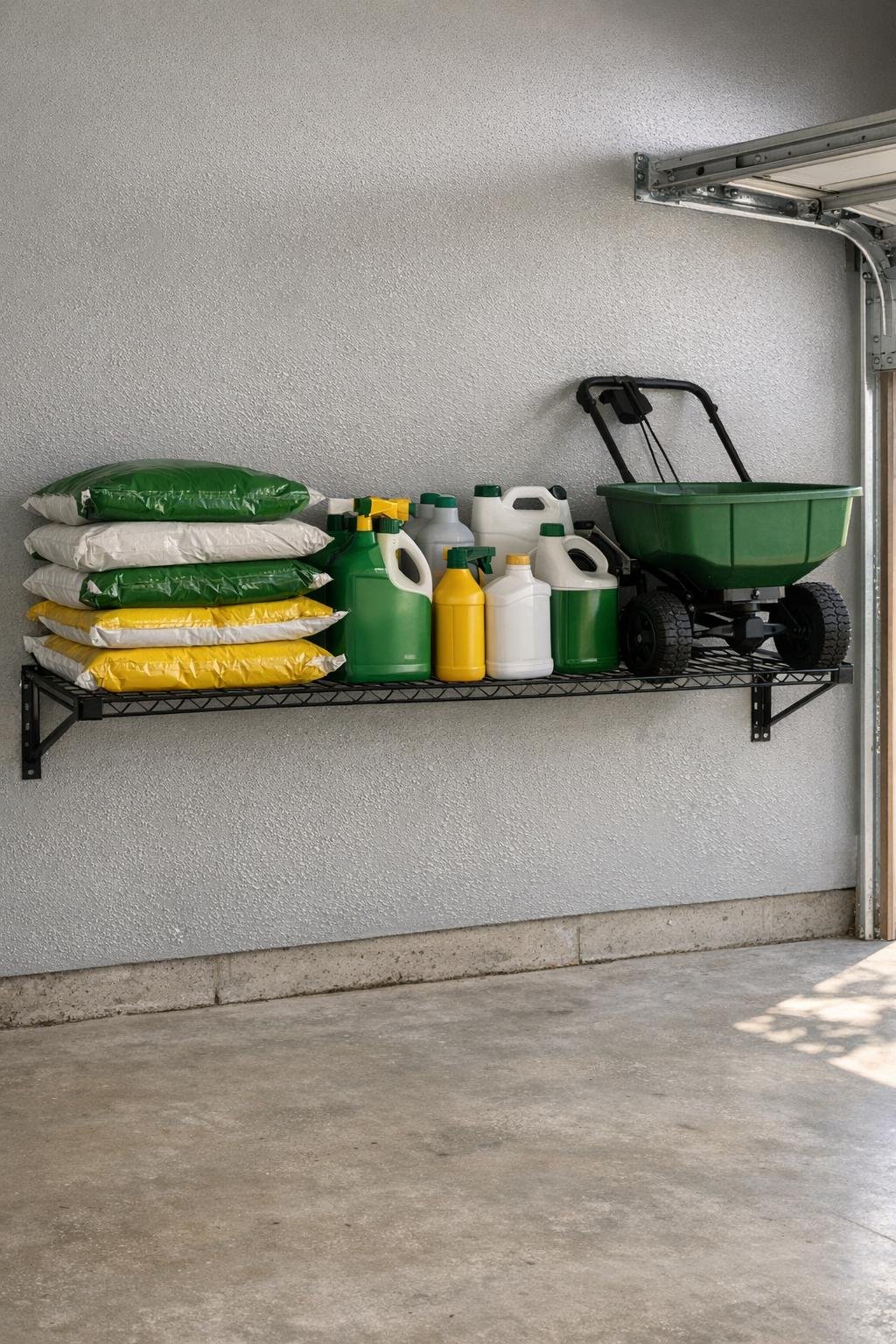
Many dogs will chew a bag, nose open a cabinet, or lick granules that spill on the floor. I store lawn products in their original containers, tightly closed, on a shelf at least 4 feet high or inside a latched cabinet in the garage or shed. Never leave a bag leaning against a wall where a curious dog can reach it.
Granular fertilizers can be especially tempting because some contain ingredients that smell interesting to dogs. Sweep up spills immediately, and don’t leave scoops, spreaders, gloves, or measuring cups where residue can be licked off.
4. Water treated areas exactly as directed
Some lawn products are meant to stay on the grass blades until dry, while others must be watered into the soil right away. That difference affects how much residue ends up on your dog’s paws and coat. I always follow the exact watering instructions instead of guessing.
If the label says to water in with 1/4 to 1/2 inch of water, do it thoroughly and evenly. A shallow sprinkle may leave product sitting on the surface, where a dog can track it indoors or lick it off later during grooming.
5. Wipe your dog’s paws after every trip outside
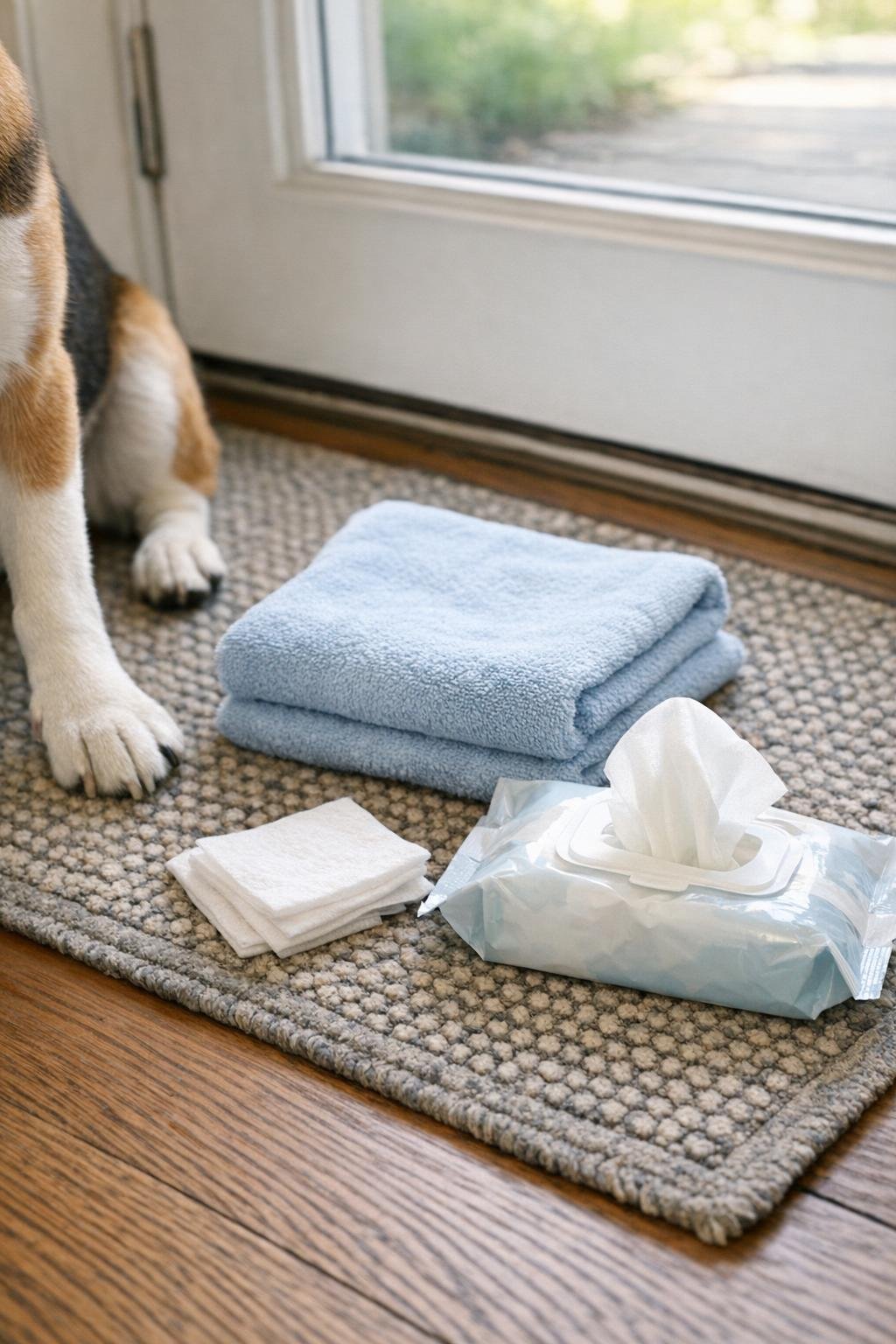
This habit has served me well even when I’m not sure what nearby lawns have been treated. Keep a towel by the door or use pet-safe grooming wipes, and clean all four paws, the spaces between the toes, and the lower legs if the grass is wet. It takes less than 2 minutes and can remove a surprising amount of residue.
For long-haired dogs or low-slung breeds, I also check the belly and feathering on the legs. If your dog is prone to licking paws after walks, this step is one of the simplest ways to reduce accidental ingestion.
6. Avoid letting your dog graze or dig in treated soil
Some dogs nibble grass like tiny lawnmowers, and others think every flower bed is a personal excavation site. After treatment, that behavior becomes much riskier because chemicals can sit on grass blades or in the top layer of soil. I keep a close eye on any dog that likes to eat plants, chew mulch, or dig along the fence line.
If this is your dog’s habit, use a leash for yard time until the area is fully safe again. You can also block off garden beds with temporary fencing 18 to 24 inches high, which is often enough to stop casual wandering into treated spots.
7. Choose pet-safer products whenever possible
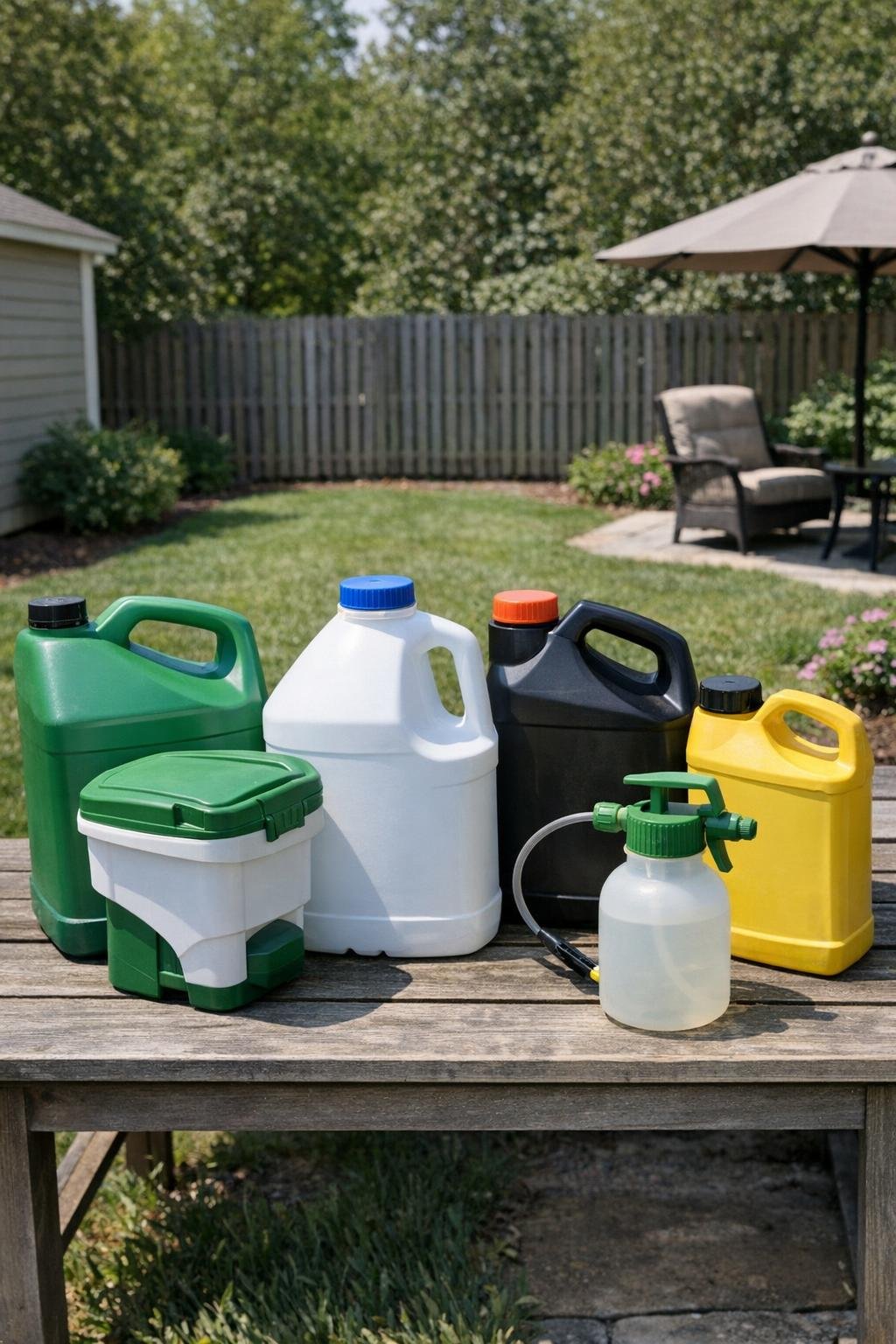
I’m cautious with any product marketed as “natural,” because natural does not automatically mean harmless, but there are still better and worse options. Look for targeted treatments instead of broad, heavy-application products, and compare active ingredients before you buy. Spot-treating a patch of weeds is often safer than blanketing the whole yard.
If you hire a lawn service, ask for the exact product names ahead of time and request the lowest-toxicity option that will do the job. I’d also ask for a written treatment schedule so you can plan walks, potty breaks, and yard access around it.
8. Keep your dog away from neighbors’ recently treated lawns too
One of the easiest things to forget is that your own yard isn’t the only risk. On neighborhood walks, I steer dogs away from bright green stripes, recently spread granules on sidewalks, little treatment flags, and lawns with that unmistakable chemical smell. A 6-foot leash gives you enough control to keep noses and paws out of trouble.
If your dog loves sniffing curb edges, take a route that favors pavement, trails, or untreated common areas for a day or two after local lawn service visits. This matters even more for small dogs, since they’re closer to the ground and often lick their feet as soon as they get home.
9. Watch for symptoms of exposure and act quickly
The signs can be subtle at first: paw licking, drooling, vomiting, diarrhea, red skin, watery eyes, coughing, or unusual tiredness. I’d also pay attention to a dog that suddenly refuses food or keeps rubbing its muzzle on the carpet after yard time. Symptoms can show up within minutes or take several hours.
If you suspect exposure, rinse paws or fur with lukewarm water and mild dog shampoo if needed, then call your veterinarian right away. Have the product name, active ingredient, and estimated time of exposure ready. In a true emergency, that information can save precious time.
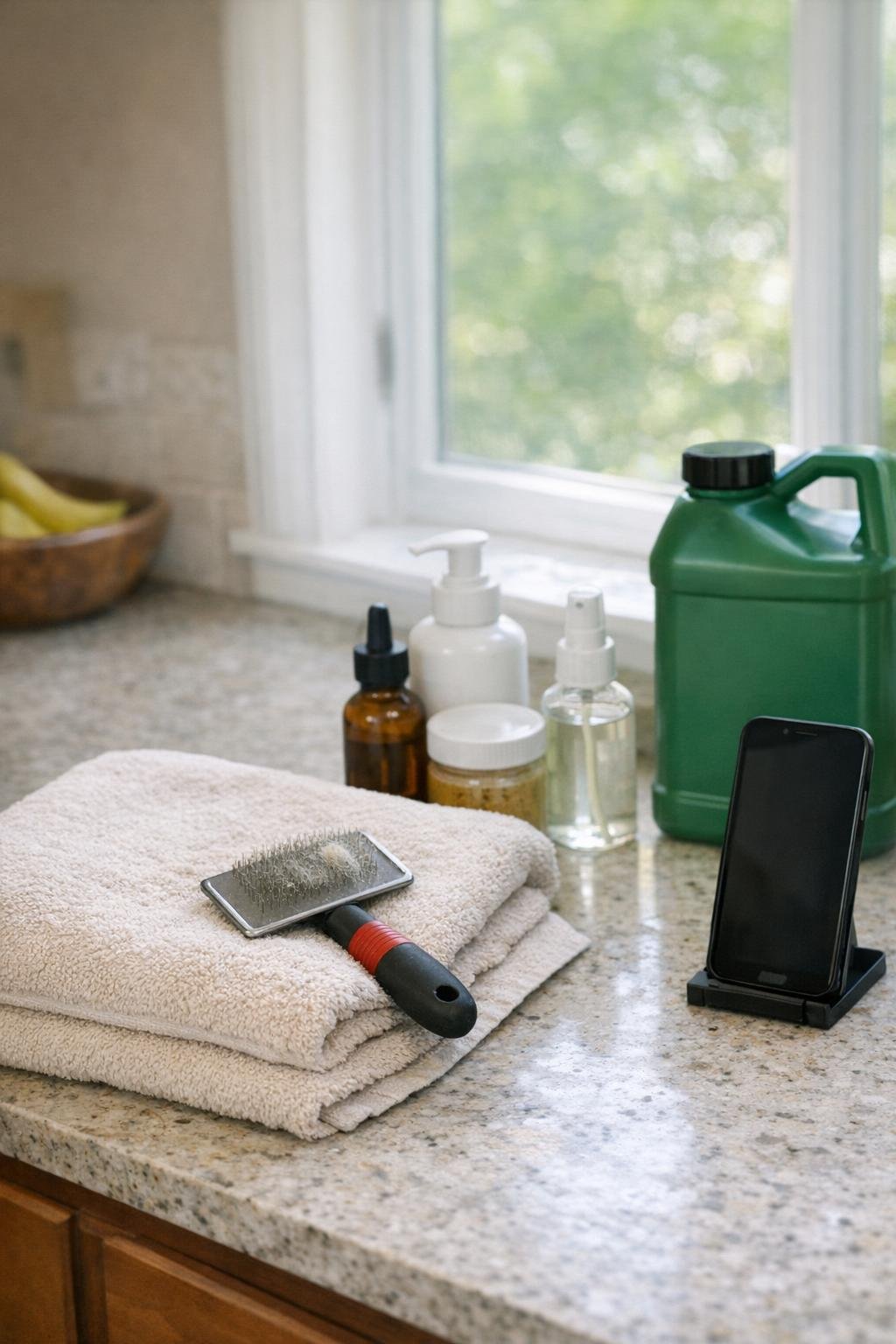
10. Create one untreated potty zone in your yard
This is one of my favorite practical solutions, especially for older owners who like routine. Set aside a small area, even 6 by 8 feet, where you never apply herbicides, insecticides, or fertilizer. Gravel, mulch-free grass, or a plain patch of untreated turf works well if it’s easy to reach from the back door.
Use that space for bathroom breaks during treatment periods, rainy days after application, or anytime you’re unsure whether the lawn is safe. Dogs learn quickly when you take them to the same spot, and it gives you peace of mind without having to second-guess every blade of grass.
A safe yard and a healthy dog can absolutely coexist, but it takes a little planning and a lot of consistency. In my experience, the owners who do best are the ones who slow down, read carefully, and treat every lawn product as something that deserves respect.